How Sound Therapy Can Calm Your Mind and Support Everyday Well-Being
Sound therapy can support relaxation and well-being, but its benefits depend on the practice, your preferences, and the evidence behind it.
The term covers everything from listening to favorite music to resting during a singing-bowl session, so it doesn’t describe one standard treatment.
Sound and vibration can feel meaningful, stir memories, or help set a mood.
Spiritual interpretations are personal, while health claims need evidence, especially when someone promises relief from an ongoing condition.
You don’t need to adopt a particular belief system to enjoy sound, and you don’t need to treat it as medicine.
Understanding the differences between practices can help you explore what feels useful, keep expectations realistic, and protect your hearing.

- Travel Friendly: Create a soothing personal bubble while traveling on planes or while taking a power nap by blocking light and using the built-in speakers for up to 8 hours of continuous/cordless use
- Luxurious Micromink: Super-soft high quality fabric makes this comfortable eye mask the ultimate accessory for relaxation, day or night
- Bluetooth Compatible: Connect your favorite Bluetooth enabled devices, such as cell phones, tablets, and computers to stream your favorite music or meditation playlists
- Built-In White Noise: Choose from 3 relaxing nature sounds (rain, stream, and ocean) to lull yourself into a deep and relaxed sleep
Last update on 2026-11-03 / Affiliate links / Images from Amazon Product Advertising API
Key Points
- Sound therapy is a broad term that covers music listening, sound baths, recorded tones, and other practices with varying levels of evidence.
- Credentialed music therapy involves individualized clinical goals and a therapeutic relationship with a qualified professional.
- Research suggests benefits for some music-based interventions, but findings on singing bowls remain limited and vary across studies.
- Personal meaning can enrich your experience without proving claims about healing frequencies or controlling reality.
- Choose comfortable sounds, protect your hearing, and keep sound-based practices alongside appropriate care for ongoing health concerns.
The Importance of Sound Therapy for Well-Being
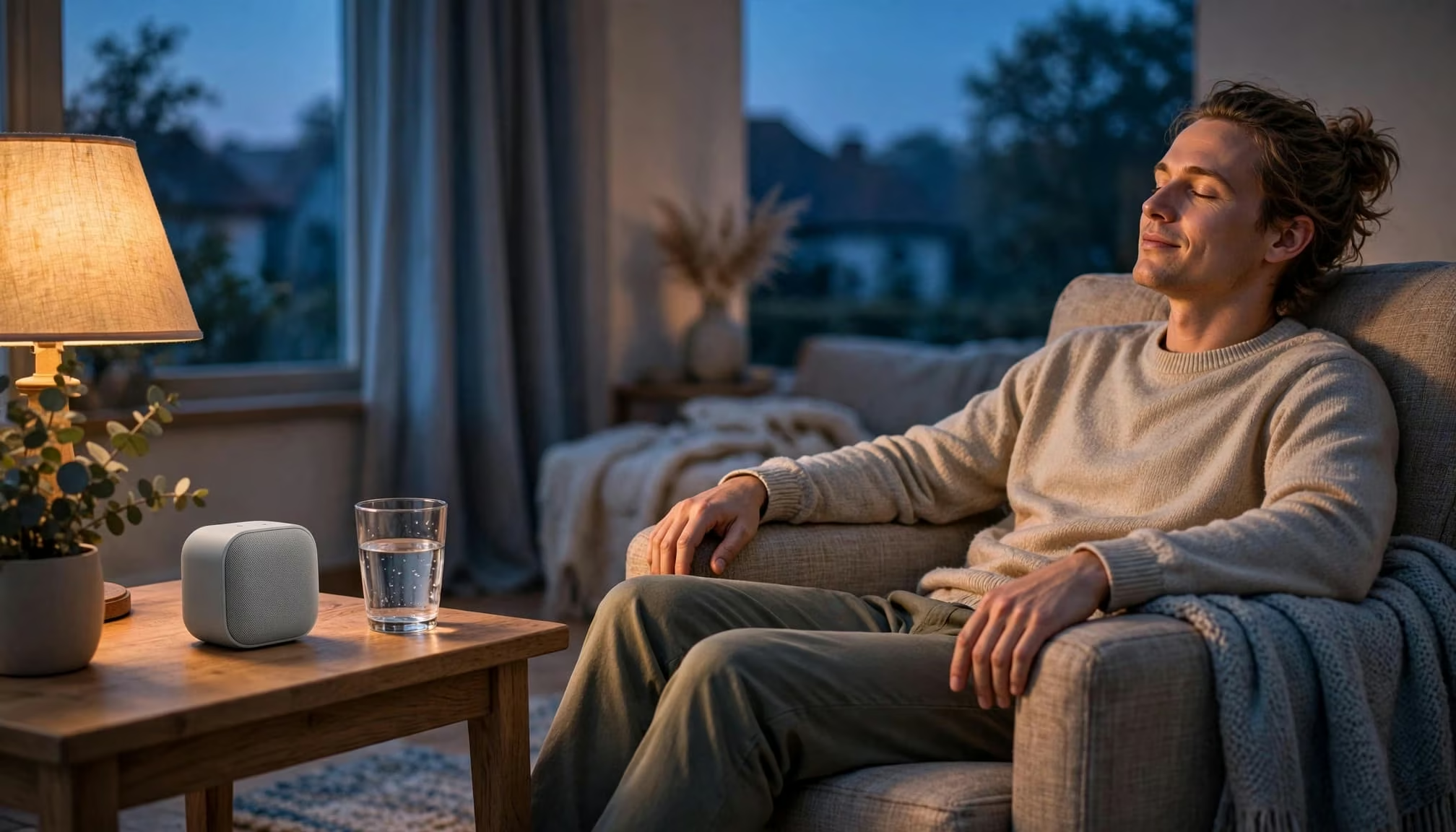
Sound can give you a familiar cue to pause, settle into a routine, or direct your attention. For some people, music makes rest more enjoyable; others prefer quiet or find certain sounds distracting.
Sound therapy matters partly because of its personal usefulness. A calming experience can matter without being a cure.

How music therapy differs from sound baths and recorded tones
The American Music Therapy Association defines music therapy as clinical, evidence-based practice involving individualized goals and a credentialed professional.
It may include listening, along with singing, playing instruments, or other activities chosen to meet a person’s needs.
The MT-BC credential identifies a board-certified music therapist. A sound-bath facilitator doesn’t become a music therapist simply by playing bowls or gongs.
Sound baths usually involve resting while someone plays instruments. Recorded tones and general music listening offer other experiences, but they don’t automatically provide clinical assessment or treatment.
The American Psychological Association describes examples of music in clinical care, where the purpose extends beyond creating a pleasant atmosphere.
How sound, rhythm, and personal meaning can affect an experience
Your response depends on preference, setting, memories, and comfort. A song associated with someone you love may feel reassuring, while the same song could bring another listener sadness.
Choosing a “life soundtrack” can express love, beauty, happiness, and kindness. Those themes may shape what you notice and how you respond.
However, describing fear or judgment as a “low vibration” is a personal metaphor, not a medical measurement.
Difficult feelings don’t make you responsible for illness or hardship. You can choose meaningful music without believing its frequency changes matter or give you control over everything that happens.
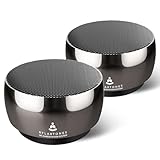
- 【Authentic Tibetan Singing Bowl Experience】This electronic Tibetan singing bowl faithfully recreates the calming tones traditionally used in sound healing, meditation, mindfulness, and yoga rituals. Designed for meditation practitioners, yoga teachers, and spiritual seekers, it mimics a real bowl, delivers immersive singing bowl sound without need for striking or physical bowls, create a peaceful atmosphere for meditation rooms, yoga studios, therapy spaces. A modern choice for spiritual lovers.
- 【Unparalleled Stereo Binaural Sound & Exquisite Craftsmanship】Utilizing dual-channel stereo technology and custom-tuned speakers, this meditation singing bowl delivers authentic binaural beats, creating you a wider and stereo soundstage that single-speaker devices cannot achieve. Made of precision metal acoustic chamber and honeycomb metal sound cover for outstanding strong penetration, allowing sound to resonate naturally throughout the room, you can have a deep meditation, stress relief, etc.
- 【8 Healing Frequencies】This electronic Tibetan singing bowls are designed with 8 scientifically tuned frequencies targeting specific needs for meditation, mindfulness, relaxation, and energy balance. 396Hz: Fear Release, 417Hz: Relaxation, 432Hz: Emotional Balance, 528Hz: Inner Harmony, 639Hz: Connection, 741Hz: Creativity, 852Hz: Intuition, 963Hz: Unity & Higher Awareness. Can be used in morning meditation, evening relaxation/bedtime, yoga practice for holistic wellness and spiritual harmony.
- 【6 Timer & Adjustable Volume & Dual-head USB Cable】Automatic meditation singing bowl with 6 built-in timer: 15/30/45/60/105/120 minutes timer for auto shut-off, you can freely choose according to your need. Volume knob design offers you full flexibility to customize how loud or soft of the tones, good for meditation or sound healing, etc. Equipped with dual-head USB charging cable for charging the 2 sound bowls devices simutaneously, full charge in 120 mins for 8 hours working time.
- 【Perfect Gift & Wide Application】Rylaxtones sound bath machine are packed in a exquisite box, can be used as a thoughtful and meaningful present for birthdays, holidays, or wellness celebrations. Its portable design allows you to enjoy calming sound anywhere—perfect for mental health professional, therapist, buddhist practitioner in meditation rooms, yoga studios, therapy spaces, bedroom, travel, etc. Every Rylaxtones meditation system singing bowl comes with a 2 years limited warranty.
Last update on 2026-11-03 / Affiliate links / Images from Amazon Product Advertising API
What Research Says About Sound, Stress, Sleep, and Pain
Research on music therapy, music listening, and singing bowls asks different questions.
Evidence belongs to the practice studied, so a finding about clinician-delivered music therapy doesn’t establish the same benefit for a gong session or an audio app.
Where music-based research suggests possible benefits
The National Center for Complementary and Integrative Health (NCCIH) summarizes research suggesting benefits for some stress-related outcomes, self-reported pain, and perceived sleep quality. However, results vary with the intervention, population, and outcome measured.
For example, NCCIH describes a review of 14 randomized trials involving 1,178 people with chronic pain. Music-based interventions reduced self-reported pain, with greater effects when participants chose their own music rather than when researchers selected it.
For sleep, NCCIH’s research summary reports evidence of improved subjective sleep quality in some studies. Other reviews have produced mixed findings.
Subjective improvement means people reported sleeping better. That’s useful information, but it doesn’t show changes in every sleep measure or prove that music treats insomnia. Music may complement appropriate care rather than replace it.
What singing-bowl studies can and cannot tell us
A 2025 systematic review included 19 clinical studies across eight countries. These covered anxiety, depression, pain, sleep, and other outcomes, but the methods and participants differed substantially.
The review included nine randomized controlled trials and seven case series. Because case series lack a comparison group, they can’t separate the sound’s effect from expectations, rest, attention, or other influences.
Sleep findings were mixed. Some individual trials found no significant improvement, and the review didn’t establish a consistent sleep benefit.
Feeling calmer after a sound bath is a personal outcome, but it doesn’t prove that the session treats an anxiety disorder.
Likewise, a small pain study can’t validate every commercial sound bath. The findings support further study, but leave substantial uncertainty about reliable benefits for specific conditions.
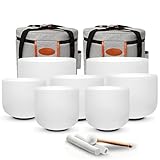
- Complete 7-Piece Crystal Singing Bowl Set for the Seven Chakras – Includes 7 frosted crystal singing bowls from 7″ to 12″ (12″C, 11″D, 10″E, 9″F, 8″G, 8″A, 7″B), 2 carrying cases, 2 suede strikers, 1 rubber mallet, 7 O-rings, and 6 protective sleeves for organized storage and transport.
- Tuned to A4=432Hz Standard — The set follows the 432Hz tuning system, where A4 is calibrated to 432Hz and each bowl corresponds to its own musical note. Each bowl is individually tested before shipping to ensure consistent pitch and quality.Preferred by many meditation and sound bath practitioners for its consistent tuning reference.
- Clear, Long-Lasting Quartz Resonance — Crafted from high-purity quartz crystal, each bowl produces a rich, vibrant tone with deep resonance and smooth vibration. The frosted surface design provides a professional appearance suitable for studios, wellness spaces, and home practice.
- Easy to Play with Two Simple Techniques – Gently strike the outer wall for a clear, resonant tone, or glide the suede striker around the outer rim to build sustained sound. Simple to learn for beginners while offering the tonal range experienced practitioners need for individual practice, group sessions, and sound baths.
- Complete Protection for Storage & Transport – Each bowl is carefully inspected and securely packed before shipping. Protective sleeves, O-rings, and two carrying cases help keep the seven bowls organized and protected between sessions, whether used at home, in a studio, or while traveling.
Last update on 2026-11-03 / Affiliate links / Images from Amazon Product Advertising API
How to Explore Sound Therapy Thoughtfully and Safely
Start with a modest goal, such as making a break more restful or creating a comfortable evening routine. You don’t need a special instrument or a supposedly perfect frequency.
Choose a sound practice that feels comfortable to you
Begin with music you enjoy or a sound session that clearly describes what happens. Consider whether you prefer familiar melodies, instrumental music, nature recordings, or silence.
You can also combine listening with simple mindfulness meditation steps, such as noticing sounds without trying to force a particular feeling. Treat this as an optional attention practice.
Afterward, notice whether you feel calmer, more focused, unchanged, or uncomfortable. No response is required, and a popular sound doesn’t have to become part of your routine.
Protect your hearing and speak up about discomfort
Keep volume comfortable and avoid prolonged or very loud exposure. At an in-person session, distance from a gong or bowl can affect how intense it feels.
Move farther away, ask for lower volume, or leave if the sound becomes unpleasant. You don’t need to endure discomfort to complete a session.
NCCIH’s music and health guidance identifies excessive volume as a hearing risk and notes that music can evoke distressing emotions. If you have tinnitus, sound sensitivity, hearing loss, or other hearing concerns, a health professional can help you consider suitable options.
Know when professional support matters
Ongoing sleep problems, persistent pain, anxiety, or depression deserve qualified assessment. A comforting playlist can’t explain why symptoms persist or identify the treatment that fits your needs.
Seek help when symptoms interfere with daily life, work, relationships, or rest. You can describe any sound-based practices you use as part of that conversation.
If you want clinical music therapy, seek a qualified music therapist who works toward individualized goals. Meanwhile, keep prescribed treatment in place unless your treating clinician recommends a change. Sound-based relaxation can remain a personal support alongside that care.

- THREE MINUTES TO WHOLENESS: The short 3 minute duration is the way n.o.w. transforms you. Designed to be quick, but it offers a complete full body and mind reset. Try it once, and you’ll see why 3 minutes is all it takes
- ALWAYS NEW: Experience something truly unique—every n.o.w. session is a one-of-a-kind sound journey, its pure tones newly-arranged in the moment of play. Each analog-recorded session is unique from the next, forever. Our tones are tuned to the natural harmonic series and deliver an immersive experience you won’t find anywhere else
- EXCEPTIONAL SOUND QUALITY FIRST: Crystal-clear, distortion-free audio; the n.o.w. Tone Therapy System was designed by noted sound engineer Michael Joly for ultimate sound purity. Your perfect sound experience is our top priority
- EFFORTLESS MINDFULNESS: n.o.w. breaks all the traditional rules. Forget lengthy striving for a “quiet mind.” n.o.w. is singular: it is the quickest and easiest way to reset your nervous system and transcend stress
- KEY EFFECTIVENESS: the n.o.w. 3-minute tone sessions gently lift you into a renewed space of peace and clarity; you feel it from the very first listen
Last update on 2026-11-03 / Affiliate links / Images from Amazon Product Advertising API
Frequently Asked Questions
Is sound therapy the same as music therapy?
Music therapy is a defined clinical practice delivered by a credentialed professional within a therapeutic relationship. Sound therapy is a broader label that can include wellness sessions and independent listening. The word “therapy” in an event description doesn’t establish clinical training or individualized treatment.
Can sound therapy help with sleep?
Some music-listening studies suggest better perceived sleep, although findings vary. That evidence doesn’t establish sound baths or recorded tones as treatments for insomnia. If you make listening part of your bedtime routine, judge it by comfort rather than promises of a guaranteed sleep response, and seek care for persistent sleep difficulties.
Can a sound bath treat anxiety or chronic pain?
Sound baths aren’t proven treatments for anxiety disorders or chronic pain. Limited studies report possible benefits, but their findings don’t establish dependable clinical effects. NCCIH discusses music-based approaches to pain, but that doesn’t validate every bowl, gong, or sound-bath format.
Do binaural beats have proven health benefits?
Research hasn’t established reliable benefits across the health claims commonly attached to binaural beats. A 2024 systematic review concerning pain rated the evidence low to very low certainty, with substantial differences between studies. Evidence about ordinary music listening doesn’t validate binaural beats, and it doesn’t establish a proven frequency or listening schedule.
How can I tell if a sound practice is right for me?
Consider whether the sound feels comfortable, suits your hearing needs, and supports a goal you care about. You don’t need an intense emotional reaction for the experience to feel worthwhile. Stop if it causes discomfort, and remember that choosing quiet is equally valid when music or resonant instruments feel overwhelming.
Make Sound a Supportive Part of Your Routine
Sound can offer comfort, enjoyment, and a meaningful pause in your day. Its effects vary from person to person, and the evidence depends on whether you’re talking about music therapy, music listening, or another practice.
Keep personal meaning and medical evidence distinct. You can choose music that expresses kindness or happiness without treating difficult emotions as harmful frequencies.
Explore at a comfortable volume, leave room for silence, and seek qualified help for ongoing health concerns. A sound practice earns its place in your routine by supporting you, without promising control over your health or reality.
The knower of the mystery of sound knows the mystery of the whole universe.” – Hazrat Inayat Khan
All is free choice, and the melodies of the music of your life can move your universe however you wish. Just understand that the “music” that moves through you moves the matter/what matters — in the reality you’re creating.